How to Protect Plants from Frost
Frost can be one of the biggest challenges for gardeners, especially during winter nights when temperatures suddenly drop. Frost damage occurs when ice crystals form inside plant cells, causing them to rupture and die.
This can lead to wilted leaves, blackened stems, and even complete plant loss. However, with proper planning and timely action, you can protect your plants from frost and keep your garden healthy throughout the cold season.
Understanding Frost and Its Impact on Plants
Frost usually occurs on clear, calm nights when heat escapes from the soil and air temperatures fall below freezing. Tender plants such as vegetables, flowering plants, and young saplings are most vulnerable. Even a light frost can damage leaves, slow growth, and reduce yields. Knowing when frost is likely to occur allows gardeners to prepare in advance and take protective measures.
Choose Frost-Resistant Plants
One of the simplest ways to reduce frost damage is to grow plants that can tolerate cold weather. Vegetables like spinach, cabbage, carrots, peas, and broccoli are more frost-resistant. Native plants and perennials adapted to your local climate also have a better chance of surviving cold conditions. If you live in a frost-prone area, plan your garden with hardy plants during winter months.




Water Plants Before Frost
Moist soil retains heat better than dry soil. Watering your plants in the afternoon before a frost helps the ground store warmth, which is slowly released during the night. This can raise the temperature around plant roots and reduce frost damage. Avoid watering late at night, as excess moisture on leaves can freeze and worsen damage.
also read:Bayer Crop Science: Best Multinational Agri Company
Use Mulch for Insulation
Mulching is an effective way to protect plant roots from freezing temperatures. Organic mulch such as straw, dry leaves, grass clippings, or compost acts as an insulating layer, keeping the soil warm. Apply mulch around the base of plants, especially for vegetables, shrubs, and young trees. Mulching also helps retain moisture and improves soil health.
Cover Plants with Protective Materials
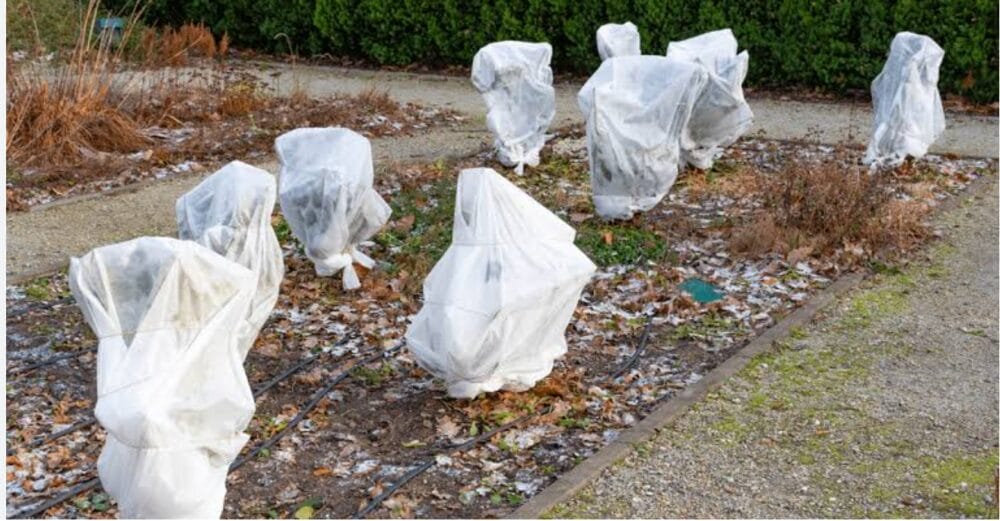
Covering plants is one of the most popular and effective frost-protection methods. Use materials like garden fabric, burlap, old bedsheets, or blankets to cover plants at night. These covers trap heat from the soil and protect plants from cold air. Make sure the cover reaches the ground and is secured to prevent heat from escaping. Remove the cover during the day to allow sunlight and air circulation.
Use Plastic Covers Carefully
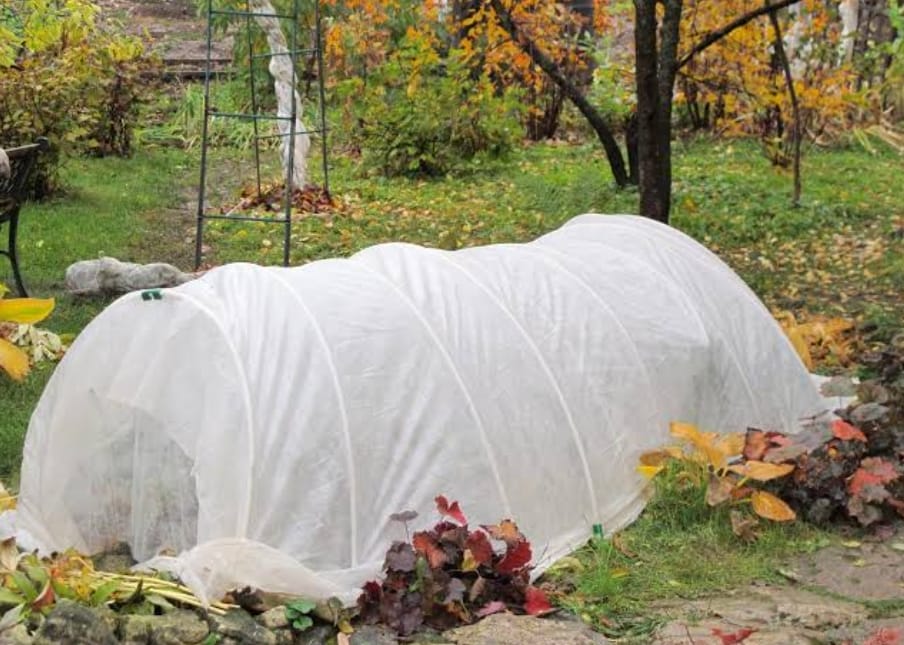
Plastic sheets can be used to protect plants, but they must be handled with caution. Plastic should not touch plant leaves, as it can cause freezing damage. Use stakes or frames to create a barrier between the plastic and the plant. Remove plastic covers during the day to prevent overheating and moisture buildup, which can promote disease.
Move Potted Plants Indoors
Potted plants are more vulnerable to frost because their roots are exposed to cold air. Move containers indoors, into a greenhouse, or under a covered patio during frosty nights. If moving them is not possible, group pots together and wrap them with bubble wrap, cloth, or straw to provide insulation.
Use Cloches and Cold Frames
Cloches and cold frames are excellent tools for protecting plants from frost. A cloche is a dome-shaped cover placed over individual plants, while a cold frame is a small enclosed structure with a transparent lid. These structures trap heat and create a warmer microclimate, allowing plants to survive freezing temperatures and continue growing.
Protect Plants with Wind Barriers
Cold winds can worsen frost damage by removing heat from plants. Use fences, garden netting, or temporary barriers made from cloth or plastic to shield plants from strong winds. Planting near walls or hedges can also help reduce wind exposure and retain warmth.
Harvest Before a Frost
If a severe frost is expected, consider harvesting ripe vegetables and fruits before temperatures drop. Crops like tomatoes, peppers, and herbs are highly sensitive to frost. Harvesting them early prevents loss and allows you to store or use them indoors.
Monitor Weather Forecasts
Keeping an eye on local weather forecasts is crucial for frost protection. Frost warnings allow you to take timely action, such as covering plants or moving pots indoors. Even simple precautions taken a few hours before frost can make a big difference.
What to Do After Frost Damage
If plants are affected by frost, avoid pruning immediately. Damaged leaves and stems can protect the healthy parts of the plant from further cold. Wait until temperatures rise before removing damaged sections. Water plants lightly and allow them time to recover.
Conclusion
Protecting plants from frost requires awareness, preparation, and simple gardening techniques. By choosing frost-tolerant plants, watering and mulching properly, using covers, and monitoring weather conditions, you can significantly reduce frost damage. With these practical steps, your garden can survive winter and emerge healthy and productive in the growing season ahead.
Frequently Asked Questions (FAQs)
1. What temperature causes frost damage to plants?
Frost damage usually occurs when temperatures drop to 0°C (32°F) or below. Tender plants can be harmed even by light frost, while hardy plants can tolerate lower temperatures.
2. Should I water plants before a frost?
Yes, watering plants in the afternoon before a frost helps the soil retain heat, which can protect plant roots during cold nights. Avoid watering late at night.
3. Can plastic sheets protect plants from frost?
Plastic sheets can protect plants if used properly. Ensure the plastic does not touch the plant leaves and remove it during the day to prevent overheating and moisture buildup.
4. What is the best material to cover plants during frost?
Materials like garden fleece, burlap, old bedsheets, or blankets work well because they allow air circulation while trapping warmth. Avoid thin plastic directly on plants.
5. How do I protect potted plants from frost?
Move potted plants indoors, into a greenhouse, or under a covered area. If moving is not possible, group pots together and wrap them with insulation materials like cloth or bubble wrap.
6. Can mulching prevent frost damage?
Yes, mulching helps insulate the soil, keeping plant roots warmer and protecting them from freezing temperatures. Straw, dry leaves, and compost are excellent mulch options.
7. Should I remove frost-damaged leaves immediately?
No, wait until temperatures rise before pruning. Damaged leaves can provide temporary protection to healthy parts of the plant during ongoing cold weather.
8. Do all plants need frost protection?
Not all plants need protection. Cold-hardy plants can survive frost, but tender vegetables, flowering plants, and young saplings should be protected.
9. Can frost-killed plants recover?
Some plants can recover from light frost damage with proper care, watering, and warmer temperatures. Severe frost damage may permanently harm or kill plants.
10. How can I know when frost is expected?
Check local weather forecasts and frost warnings regularly during winter. Early alerts help you take preventive action in time.
also read:Helping farmers to sustainably grow more